Why Your Dining Room Chandelier Matters More Than You Think
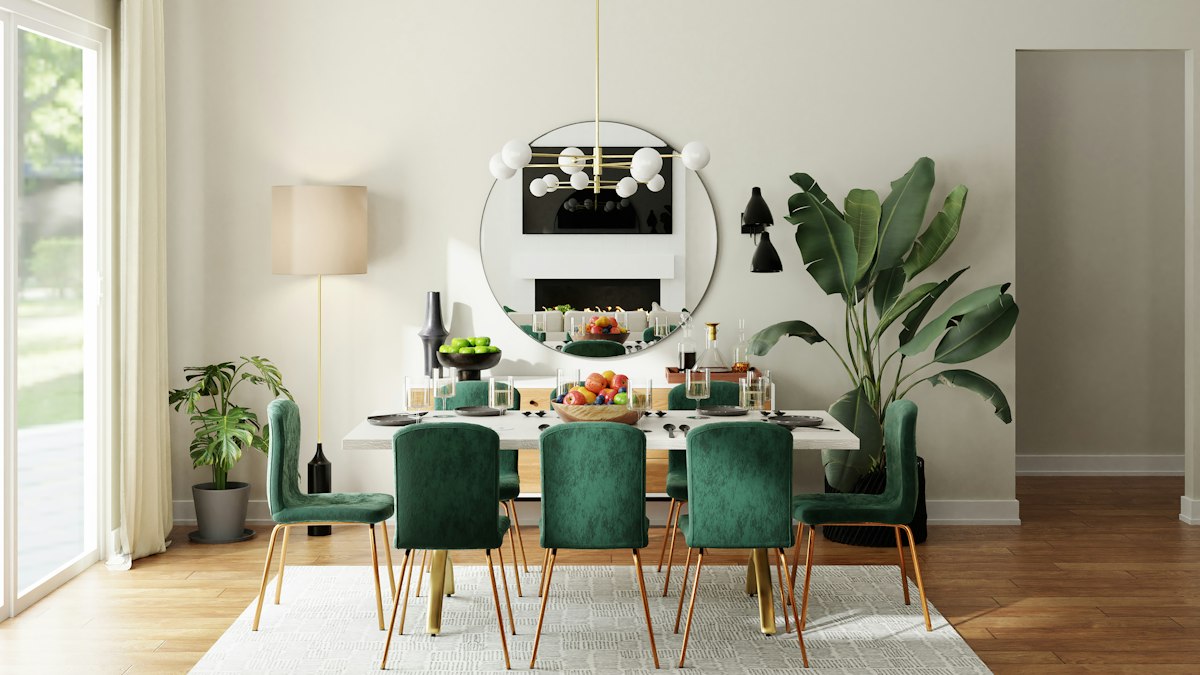
Learning how to choose a dining room chandelier is one of the most rewarding design decisions you'll make. The right fixture does far more than illuminate your table — it sets the mood for every meal, anchors the room visually, and often becomes the single most striking design element in the space. A well-chosen chandelier transforms a dining room from functional to unforgettable.
We've seen it countless times at Joel's: a client invests in a gorgeous dining table and beautiful chairs, but the lighting is an afterthought. The result is a room that feels incomplete, no matter how fine the furniture. Your chandelier is the finishing touch that brings the entire composition together — the piece that draws the eye upward and gives the room its personality.
How to Find the Right Chandelier Size for Your Dining Table
Size is where most people go wrong with chandeliers, and an undersized fixture is the most common mistake. A chandelier that's too small looks timid and fails to anchor the space. One that's too large can overwhelm the table and make the room feel cramped.
The table-based rule: Your chandelier's diameter should be one-half to two-thirds the width of your dining table. This is the most reliable sizing method when you already have your table.
- 48-inch round table → 24 to 32 inch chandelier
- 60-inch rectangular table → 30 to 40 inch chandelier
- 72-inch rectangular table → 36 to 48 inch chandelier
- 84-inch or longer table → Consider two matching fixtures or one large linear chandelier
The room-based formula: If you haven't chosen a table yet, add the room's length and width in feet — that number, converted to inches, gives you the ideal chandelier diameter. A 12×14 foot dining room calls for roughly a 26-inch fixture.
For rectangular and oval tables, consider a linear or oval chandelier that echoes the table's shape. The fixture should be about two-thirds the table's length to maintain visual balance. This approach works especially well for longer tables where a single round chandelier might look lost.
A good rule of thumb: When in doubt, go slightly larger. An oversized chandelier makes a confident statement, while an undersized one simply looks like a mistake.
The Ideal Chandelier Height Over a Dining Table
Getting the hanging height right is just as important as choosing the right size. Too high and the chandelier feels disconnected from the table — too low and your guests are ducking around it during conversation.
The standard guideline: Hang your chandelier 30 to 36 inches above the tabletop. This range works for most standard 8-foot ceilings and creates an intimate pool of light that feels connected to the dining experience without obstructing sightlines.
Adjustments for ceiling height:
- 8-foot ceilings: 30 to 32 inches above the table
- 9-foot ceilings: 33 to 36 inches above the table
- 10-foot or higher ceilings: 36 to 40 inches above the table, and consider a slightly larger fixture to maintain proportion with the taller space
For the fixture itself, allow approximately 2.5 to 3 inches of chandelier height for every foot of ceiling height. In a room with 9-foot ceilings, look for a fixture that's 22 to 27 inches tall.
If your chandelier hangs on a chain or cord, most can be adjusted after installation. We always recommend having your electrician install the mounting hardware first, then fine-tuning the drop height with the table in place — it's much easier to judge the right position in person than from measurements alone.
Best Chandelier Styles for Every Dining Room Aesthetic
The style of your chandelier should complement your dining room's overall design language. Here's how to match fixture styles to the most popular aesthetics:
- Traditional and classic — Crystal chandeliers, candelabra-style fixtures, and ornate metalwork in brass or antique bronze. These bring timeless elegance and pair beautifully with formal dining sets and rich wood tones
- Modern and contemporary — Clean geometric lines, sputnik designs, globe pendants, and sculptural forms in matte black, brushed nickel, or polished chrome. These create striking focal points without ornamental excess
- Transitional — The style we work with most at Joel's. Fixtures that blend traditional forms with contemporary finishes — think a classic silhouette in brushed gold, or a simplified candelabra with clean lines. These bridge eras effortlessly
- Rustic and farmhouse — Wrought iron, reclaimed wood, and lantern-inspired shapes. These fixtures add warmth and character, especially over a solid wood dining table
- Mid-century modern — Brass and walnut combinations, asymmetric designs, and organic shapes. These pair perfectly with tapered-leg tables and warm, retro-inspired palettes
One principle applies across every style: your chandelier should be the most prominent lighting element in the room, but it shouldn't fight your furniture for attention. The best dining room lighting feels like a natural conversation between the fixture above and the table below.
Choosing the Right Light Temperature and Bulbs
The most beautiful chandelier in the world will disappoint if the light quality is wrong. Dining rooms demand warm, flattering light — the kind that makes food look appetizing, skin look healthy, and the entire room feel inviting.
Color temperature matters:
- 2700K (warm white) is the ideal range for dining rooms. It produces a soft, golden glow reminiscent of candlelight
- 3000K works if you prefer a slightly crisper light while still maintaining warmth
- Avoid 4000K and above in dining spaces — cool white light feels clinical and unflattering at the dinner table
Bulb selection tips:
- Dimmable bulbs are essential. Install a dimmer switch if you don't already have one. The ability to lower the lights transforms a casual weeknight dinner into something special and lets you adjust for different occasions
- Consider the bulb's visibility. In open-frame chandeliers where bulbs are exposed, choose decorative filament or frosted bulbs that look beautiful on their own. In shaded fixtures, standard bulbs work fine since they're hidden
- LED is the smart choice. Modern LED bulbs in warm tones are virtually indistinguishable from incandescent, last years longer, and generate far less heat — important when a fixture hangs close to your table
Beyond the Chandelier: Layering Your Dining Room Lighting
A chandelier provides the ambient foundation, but the most beautifully lit dining rooms use layered lighting to create depth and flexibility. Consider supplementing your chandelier with:
- Wall sconces on either side of a buffet or sideboard add warm ambient light and create visual symmetry
- A picture light above artwork draws the eye and adds gallery-like sophistication
- Candles on the table — nothing rivals real candlelight for intimacy, and they complement your chandelier's warm glow beautifully
- A table lamp on a sideboard provides soft, low-level light for after-dinner conversation when the chandelier is dimmed
The goal of layered dining room lighting is flexibility. Your chandelier at full brightness for a family breakfast, dimmed to half with candles lit for a dinner party, and a single sconce glowing for a quiet nightcap — all from the same room.
For more on the principles of layered lighting, our guide to layered lighting in living rooms covers the fundamentals that apply to every space in your home.
Making the Investment
A quality chandelier is a piece you'll live with for years — potentially decades. It's worth investing in a fixture that's well-constructed, properly scaled, and genuinely beautiful to you.
What to look for:
- Solid construction in metal components — avoid thin, stamped metal that flexes or rattles
- Quality finishes that won't tarnish, chip, or discolor over time. Hand-applied patinas and lacquered metals age gracefully
- UL or ETL listing for electrical safety certification
- Adjustable chain or cord length so you can fine-tune the hanging height
The right dining room chandelier is the piece that makes you want to linger at the table a little longer — over one more glass of wine, one more story, one more moment in a room that feels just right.
If you're designing or refreshing your dining room, we'd love to help you find the perfect pieces to complement your vision. Get in touch with our team or explore our dining collections for inspiration.